
Breast Lift in Austin, TX
Are these the words you use to describe your breasts? If so, you are not alone. We hear those words every day from women who are frustrated with what’s happened to their breasts over the years. Whether the cause is pregnancy, breast-feeding, weight fluctuations, genetics or the natural aging process, a breast lift can reshape your breasts and take you from saggy to perky and from deflated to full.
Dr. Reid and Dr. Gordon specialize in breast enhancement and will combine modern surgical techniques with classical aesthetics to give you a great, natural result. One of the keys to Drs. Reid and Gordon’s success is their commitment to proportion and balance. Neither believes there is one ideal for how a woman’s breasts should look, but they do believe there is an ideal breast shape and size for each woman. A surgical plan will be developed that matches your desires, your body and your lifestyle.
One of our passions is patient education, and we believe the more you know before your consultation, the more in-depth the conversation you can have with your surgeon. We’ve compiled a list below of the most common topics surrounding breast lifts. As you read, make sure to write down your list of questions and bring them to your consultation.
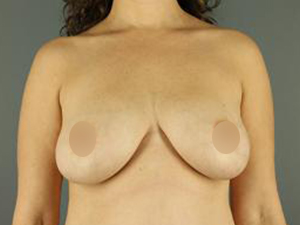
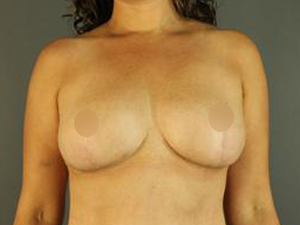
Want To See Real Breast Lift Results?
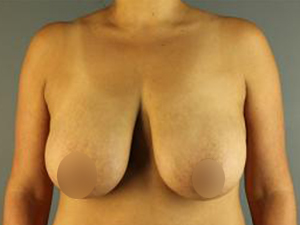
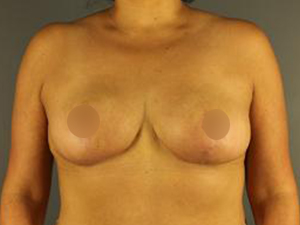
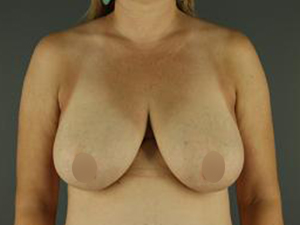
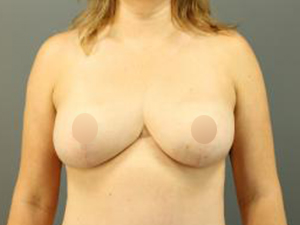
Who is the "Typical" Breast Lift patient?
Women choose breast lifts for very personal and diverse reasons, so there really isn’t a “typical” patient. Many of our patients are women who once had full, perky breasts, but pregnancy or breast-feeding left their breasts deflated and droopy. Some women are happy with their size, but don’t like their breast shape or how their nipples point south instead of straight ahead. Full, shapely breasts can make a woman feel more feminine, attractive and confident, so it’s no surprise that breast lifts are one of our most requested procedures.
Do I need a Breast Implant in addition to my Lift? What if I'm happy with the size of my Breasts, just not the shape?
Implants, even small ones, can help to optimize the appearance of your breasts after a lift. They help shape the breasts by adding volume in the upper pole and by enhancing breast firmness. This is especially important if you have significant deflation where your remaining breast tissue lacks substance. Also, without an implant, a lift alone would decrease your bra size by a cup or more because your excess skin will be removed. Your excess skin does contribute to overall breast volume, especially in a bra. So, if you want to be the same cup size but with a better shape, your surgeon will probably recommend a small implant to compensate for the tissue that will be removed in the reshaping process.
Am I a good candidate for breast lift or mastopexy?
We want to know what is motivating you to consider a breast lift, so we can help you best achieve your aesthetic goals. You are an ideal candidate if you are healthy and have specific concerns about the size, position or shape of your breasts. You should be internally motivated and be doing this for yourself and not under pressure from your husband or partner. You also must have realistic expectations about what a breast lift can and cannot achieve. While you may have an idea of what you want your “ideal” breasts to look like, it’s important to know that what nature has given you may limit the outcome. This will be discussed in detail during your consultation, but here are some factors that can influence your result:
- the distance between your breasts
- prominence of your breast bone or sternum
- the position of your breasts on your chest wall
- the position of your right and left IMF (infra-mammary fold) or breast crease
- the distance between the bottom of your areola and the IMF
- your natural breast shape and size
- the quality of your skin, especially the dermis, which provides support
- elasticity of your skin (how much it stretches)
- the size, position and direction of each nipple and areola
- degree of projection of each nipple and areola
- the definition or strength of the IMF (infra-mammary fold) on each side
- curvature of your rib cage or prominence of certain ribs
- curvature of your spine (scoliosis)
Take a look in the mirror again or, better yet, take a picture of your breasts and see if you can identify some of these factors. Knowing your unique features will help you better understand what results you can expect for yourself.
Why should I choose Restora Austin?
- Results. Our “Before & After” pictures speak for themselves. Natural, beautiful results in a wide range of sizes and types of patients.
- Experience. Our board-certified plastic surgeons are arguably the busiest breast enhancement surgeons in Austin.
- Safety. It is a privilege when you choose us, and we don’t take that responsibility lightly. Your well-being and comfort are our primary concerns, so your procedure will be performed in a fully accredited operating room with a board-certified anesthesiologist.
- Team. Our team is a group of overachievers focused on delivering the best plastic surgery experience possible. Over half of us started out as patients of Dr. Gordon or Reid, so we have an intimate understanding of the anxiety and excitement that come with this decision.
- On the Cutting Edge. Our surgeons never rest on their past and present achievements. Their practice is a constant evolution in the “how” and “why” of aesthetic surgery, always perfecting techniques that minimize scarring, discomfort, and downtime but give maximal results.
- Respect. Our practice is built on word-of-mouth referrals from happy patients and our medical colleagues. For example, Dr. Gordon was named a Texas Rising Star in 2012 and 2013 and a Texas Super Doctor in 2014, and Dr. Reid was named a Texas Super Doctor in 2013 and 2014. Super Doctors identifies top doctors as selected by their peers, and only 5% of physicians are named to Super Doctors, and no more than 2.5% are named to the Rising Stars list. We have two of those docs under one roof!
- Artistic Approach. We don’t believe in a “one operation or one type of implant fits all” cookie-cutter approach to aesthetic surgery. Our doctors will create an individualized plan to exceed your expectations and bring out the best version of yourself.
Breast Lift FAQs- Austin, TX
Long Term Questions
Any advice on maintaining my new look?
Follow our advice on what type of bra to wear after surgery. This will help your breasts to maintain their shape and avoid putting pressure on recent incisions, so as not to stress healing tissue. Proper support with a great bra is essential for maintaining the longevity of your results.
When should I restart my monthly breast self-exams?
Your breasts will feel a bit unnatural for the first 6 weeks due to swelling. You will begin massaging after the first week, and this will help you become familiar with the look and feel of your new breasts. You should resume your monthly BSE (breast self-exams) 6-8 weeks after surgery. A few minutes each month can affect the rest of your life.
How will pregnancy and/or breast-feeding affect my results?
Future pregnancy could affect your breast lift results. If you become pregnant, your breasts will grow and go through all of the usual changes associated with childbearing and breast-feeding. The amount of enlargement will vary from woman to woman. Your breast lift may need to be revised or redone if you lose volume or if your breasts sag.
Should I wait and have my breast lift after I am finished having children?
Although the results of breast lift surgery are typically long-lasting, significant weight fluctuations or subsequent pregnancies can have an impact on your results. In most cases, we recommend breast lift surgery once childbearing is complete.
How long will my breast lift result last?
Obviously, genetics plays a major role in the quality of your skin, but your results can last for decades, as long as weight and proper support are maintained.
Why do I need to come in on an annual basis?
It is important to follow up on the first anniversary of your breast lift and every year after, if possible, even if you have no concerns. We need to maintain an ongoing relationship with you.
Risks of Breast Lift
What are the risks of breast lift surgery?
Risks and uncertainties are inherent in any surgery. This is why it is important to choose a board-certified plastic surgeon who has knowledge and experience in managing any complication with the highest level of care. Breast lift or mastopexy is a very safe operation, and complications occur infrequently. Infection, loss of sensation, scarring, hematoma or accumulation of blood, asymmetry or loss of the nipple can occur. It is important that you give us a complete medical history during your initial consultation and follow all post-op instructions. This will minimize your chances of experiencing a complication. Infection is prevented through the use of antibiotics during and after surgery. Hematomas are avoided by discontinuing the use of any medications that can affect bleeding, like Aspirin, Advil or Ibuprofen for 2 weeks before and 2 weeks after surgery and by having you limit your physical activity after surgery.
What is the risk of decreased or absent nipple sensation after surgery?
Changes in sensitivity to the breasts and/or nipples can occur after surgery. In most cases, this is transient and improves with time. In about 5% of cases, the changes are permanent.
Will I be able to breastfeed in the future?
Breast-feeding after a breast lift is possible, but you should assume that you will NOT be able to breast-feed. The surgery may interrupt or divide the milk ducts that bring milk from the glandular tissue of the breasts to the nipples.
Recovery after Breast Lift
You will wake up after surgery wearing a soft bra. You can expect to be sore and stiff for several days. You will have three prescriptions to minimize your discomfort: a pain medication, a muscle relaxer and an anti-inflammatory. You will need to take it easy for several days to optimize your recovery and allow yourself time to heal. You can go back to work within 5-7 days, and your results will continue to settle for the first 6 weeks. Patience is a must, as it takes time for your tissues to adjust to your new breast shape. Diminished sensation of your breast skin and/or nipple may also occur during this time and is normal. You will not be able to drive as long as you are on pain medication or muscle relaxers, and you can’t perform any heavy lifting in the first few weeks following surgery.
How long does the discomfort last?
Most patients use the narcotic pain medication for the first 3 days after surgery. The soreness usually lasts for a week.
What kind of medication will I have to take after surgery?
You will be given 5 prescriptions at your pre-operative appointment: an antibiotic that you are required to take to prevent infection, an anti-nausea medicine if needed, a narcotic medication for pain, a muscle relaxer and Celebrex, a strong anti-inflammatory or NSAID medication. Celebrex is the only NSAID that can be used after surgery because it is the only one in its class that does not interfere with platelet function or increase your risk of bleeding. If you are prone to vaginal yeast infections while on antibiotics, please let us know so that we may prescribe oral Diflucan to prevent this. Also, please remember that some of these medications may interfere with the efficacy of oral contraceptive pills, so you must use another method of birth control during this time.
Are there any other medications or vitamins I should take or avoid after surgery?
The narcotic pain medication can cause constipation, so we recommend that you start Colace, an over the counter stool softener, when you start taking the pain medication. During your pre-op appointment, we will tell you what medications to avoid before surgery, and you will want to avoid them for 2 weeks after surgery. We will recommend surgical vitamins and supplements, which will help to minimize bruising and swelling.
How soon can I shower after surgery?
You will be able to remove your dressings and shower 48 hours after surgery. Steristrips directly on your skin incisions will remain in place until your first post-operative appointment.
When is it safe to soak my incisions in water – take a bath, go swimming, sit in a hot tub?
Do not submerge your incisions in water for 3 weeks after surgery
When can I begin exercising after breast lift?
You should refrain from any strenuous activity or heavy lifting for 3 weeks following surgery. You may return to light exercise around 3 weeks after surgery, depending on your progress. You should avoid any twisting, weight lifting or high-impact exercises for at least 3 weeks.
Will I need to purchase a particular type of bra to wear after surgery?
You will be placed in a supportive, soft bra after surgery, which will be provided. We ask that you avoid any type of push-up bra in the first 6 weeks and avoid underwire bras, which can aggravate your scars. We will let you know when you may get sized for a new bra, usually 6 weeks after surgery.
What am I going to do with all of my old bras that no longer fit?
You can join us in our support of Breast Oasis. Breast Oasis was created following the realization that many breast surgery patients were throwing away their perfectly good bras following their procedures. It’s a non-profit charitable organization dedicated to supporting communities by providing women who may not be able to afford them with clean, certified, gently used bras. Breast Oasis is about women helping women, and we give 100% support to that. Find out more by visiting their website at BreastOasis.org or by watching this How To Donate video.
Final Results
How long will it take before I’m completely healed?
Within 4-6 weeks, you will be fully recovered, but your breast shape and scars will continue to refine over the next several months. It can take up to 8 weeks for the swelling to completely subside. Nerves in the breast area also take 6-12 months to heal. As they do, increased or decreased sensation in the nipple will normalize.
The day of your surgery
Your big day has finally arrived. You should expect to be at the surgery center for at least 5 hours. The surgery is an outpatient procedure, but you need an adult to drive you home and stay with you for the first 24 hours after surgery.
Where will my breast lift be performed?
Your mastopexy will be performed at INSPIRE Surgery Centre. INSPIRE is our state-of-the-art surgical facility that is certified by the American Association for Accreditation of Ambulatory Surgical Facilities (AAASF), which ensures the highest standard of surgical care. INSPIRE is conveniently located in the suite adjacent to Restora Austin and is staffed by a team of board-certified anesthesiologists and very experienced nurses and surgical techs, all of whom were hand-picked by Dr. Gordon and Dr. Reid. The facility is equipped with highly advanced monitors and the finest surgical equipment, and is fully equipped to handle an emergency if one should occur.
What type of anesthesia is used?
Your mastopexy will be performed under general anesthesia administered by a board-certified anesthesiologist from Capitol Anesthesiology Association, who will monitor you during the entire procedure, ensuring your safety and comfort, and will remain with you until you are fully awake. Drs. Reid and Gordon prefer general anesthesia, so that you are asleep and your chest muscles are completely relaxed and your airway is protected. This leads to less pain after surgery because your pectoralis muscles won’t be in a constant state of flexion during your surgery. This leads to less tightness and swelling in your post-operative period. Safety, comfort and a fast recovery are paramount to Drs. Reid and Gordon.
How long does the procedure itself take?
The procedure takes 2-3 hours in the operating room.
Getting ready for your big day
Will I need to stop any of my medications before surgery?
You will be advised to stop taking certain medications and vitamins or herbal supplements that can contribute to excess bleeding 2 weeks prior to surgery. You will be given a full list of medications to discontinue, but the most common ones are Advil, Aleve, Ibuprofen, Vitamin E and Aspirin. Please be sure to include all vitamins and supplements you are taking on your health history form.
Does smoking affect the healing process, and if so, how far in advance of surgery should I quit?
You MUST discontinue the use of ALL nicotine products, including the patch and the gum, for 4 weeks before and 4 weeks after surgery. Smoking decreases blood flow to the nipple and can lead to delayed wound healing, infection and nipple loss.
Will I need a mammogram prior to my surgery?
If you are under the age of 40 and do not have a family history of breast cancer, you do not need a mammogram before surgery. If you are close to 40, we may recommend that you have a baseline mammogram before surgery. If you are 40 or older, you will need a mammogram performed within the last year before surgery.
Will I need any other tests or bloodwork done?
Lab work will be performed before surgery to ensure that you are not anaemic, do not have an infection, and are not pregnant. Based on your medical history, you may be asked to have additional laboratory studies or other diagnostic tests to ensure your overall health and breast health.
Your Breast Lift consultation
First, you will meet with Brandy, our Clinical Consultant, or one of our wonderful nurses. Brandy has first-hand knowledge of breast surgery, as she underwent breast augmentation several years ago and she loves to share her experience. You will then meet with your surgeon to discuss your medical history and your aesthetic goals. Feel free to bring pictures of breasts that you like. When looking at before-and-after pictures, it’s important to try and find before pictures that look like you. Your surgeon will then do a complete breast exam and take several measurements of your breasts and chest wall.
The goals of a breast lift are:
- to reshape your breasts to a more naturally rounded shape
- improve projection
- reposition the breast mound and the nipple-areola complex to a more youthful position
The benefits of adding an implant may be discussed.
Your surgeon will also discuss your unique “breast-print” and how it will affect your result.
What makes up your unique “Breast-Print”?
- the distance between your breasts
- prominence of your breast bone or sternum
- the position of your breasts on your chest wall
- the position of your right and left IMF (infra-mammary fold) or breast crease
- the distance between the bottom of your areola and the IMF
It’s also important to discuss asymmetry because no woman’s breast is a mirror image of the other. Asymmetry exists in breast volume, breast shape, nipple position, nipple or areola size, and/or location of the breast crease. In the end, it’s important to understand that your breasts will never be perfectly symmetrical, but we want them to be as close as possible. We will also discuss cup size. We ask that you not get set on a cup size but rather on your desired look. Just like jeans and dress sizes can vary from designer to designer, the same is true for bras. While you may be a 34C in one brand, you may be a 34D in another. Sizes not only vary among manufacturers, but also from style to style within the same brand. It’s very important after surgery not to buy a bra based on the size on the tag. You want to ensure a great, comfortable fit that enhances your new, youthful breast shape. The procedure, risks, and recovery will be discussed in detail with you, and all of your questions will be answered. You will then meet with your Patient Coordinator, who set up your consultation, to discuss scheduling, costs and financing.
All about Incisions
The choice of incisions is dependent on a number of factors. Dr. Reid or Dr. Gordon will determine during your consultation which incisions will provide the best aesthetic result for you with the least visible scars.
When trying to visualize the incisions for a breast lift, think of a lollipop. There will be an incision around your areola (the pigmented skin around your nipple) and a vertical incision from the areola straight down to the breast crease that curves slightly into a “J”. If your nipples are very low on your chest wall and/or if you have a lot of extra skin, a third horizontal incision in the breast crease may be necessary to give you the best shape. This is called the inverted “T” incision or anchor incision. Through these incisions, the nipple-areola complex is raised to a more aesthetically pleasing position, the breast tissue is reshaped and tightened, and the excess skin is removed.
How do I know if I need a Lift? Can a Breast Implant alone List my Breast Tissues?
Did you know that plastic surgeons grade the degree of ptosis, the medical term for droopiness, and this is what determines whether or not a breast lift is needed? Basically, it’s all about where your nipple is in relation to your IMF (Infra-Mammary Fold) or lower breast crease. Stand sideways in front of a mirror to determine what grade you are by comparing your nipple position to your crease. You can also do the “pencil test” at home by placing a pencil in your lower breast crease to determine if the pencil falls or if you can hold it in the crease.
Surgical options are based on the degree of ptosis present:
- Grade I– an implant alone will correct the superior deflation and give a subtle lift
- Grade II– you will most likely need a lift to reposition the nipple-areola complex unless you do not have excess skin and you are ok being significantly larger than your current size. Grade II ptosis usually requires a large implant to refill the deflated skin envelope and elevate the nipple.
- Grade III– an implant alone won’t work and would result in a “snoopy deformity”. This is when the breast tissue slides off the implant. The excess skin must be removed, the breast reshaped and the nipple-areola complex repositioned.
Why do Breasts Sag?
A variety of factors play a role in sagging of the breasts like genetics, weight fluctuations, pregnancy and/or breast-feeding. These can cause the breast tissue to involute or shrink as the milk-producing glands shut down. The breasts have suspensory ligaments, called Cooper’s ligaments, which support the breast tissue and hold it up. As the breasts grow larger, the ligaments are stretched and they lose support. The same is true for the skin. If the dermis is damaged, stretch marks appear. When women are young, their breast tissue is very dense and heavy. This puts excess strain on the skin and the ligaments. The larger the breasts and the faster they grow, the more quickly and noticeably the sagging will be. Sagging results in a wider breast that is elongated in shape with a nipple-areola complex that is at the lowest part of the breast and may even point downward.